« First LotLOT 35Last Lot »
🔍 Click to Enlarge
LOT 35
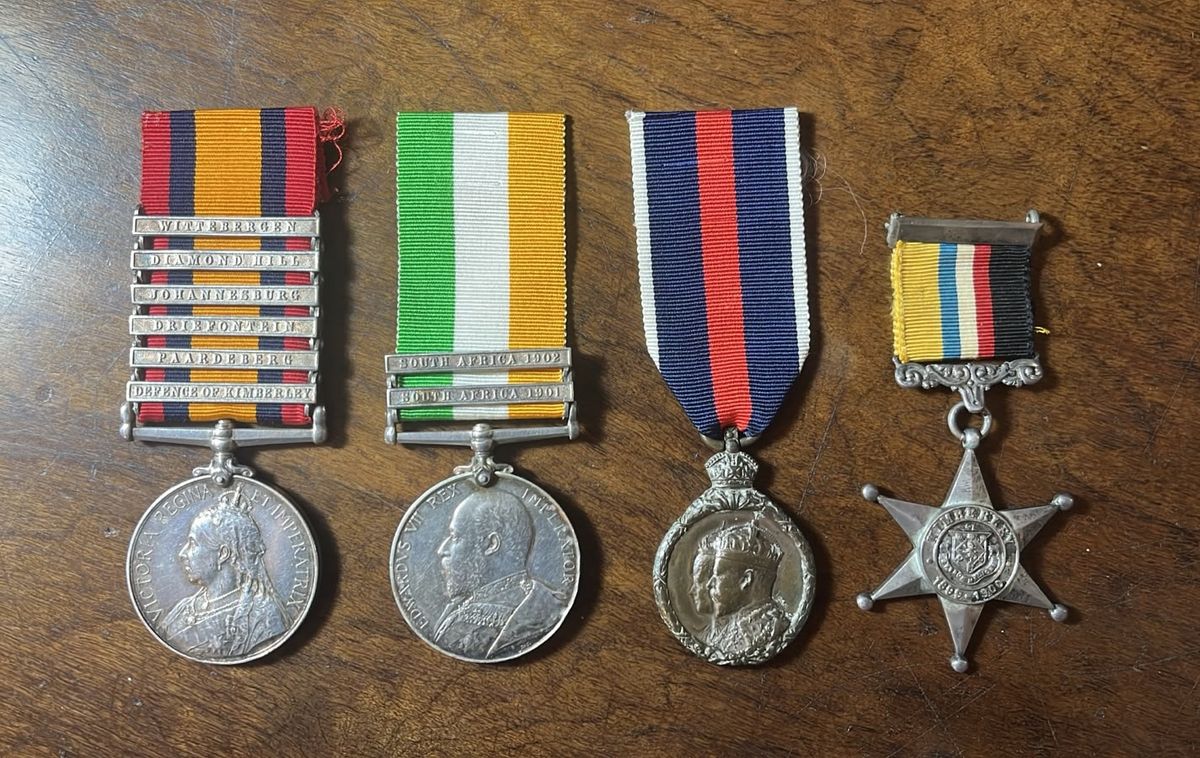
Ultra-Rare Defence of Kimberley & Paardeberg Clasp Combination QSA, KSA, Kimberley Star & 1902 Coronation Contingent Group of Four to Corporal Joseph Ernest Stone, Kimberley Town Guard, Rimington’s Guides & Damant’s Horse
Current Bid
R15 000,00
High Bidder: Paddle #96
🔨 8 Bids👁️ 14 Watching
⚠ Reserve Not Met
Time Left
Calculating...
Closes: 2026/11/29, 18:07:00 SAST
Minimum Incremental Bid Size: R50
RESEARCH & DESCRIPTION
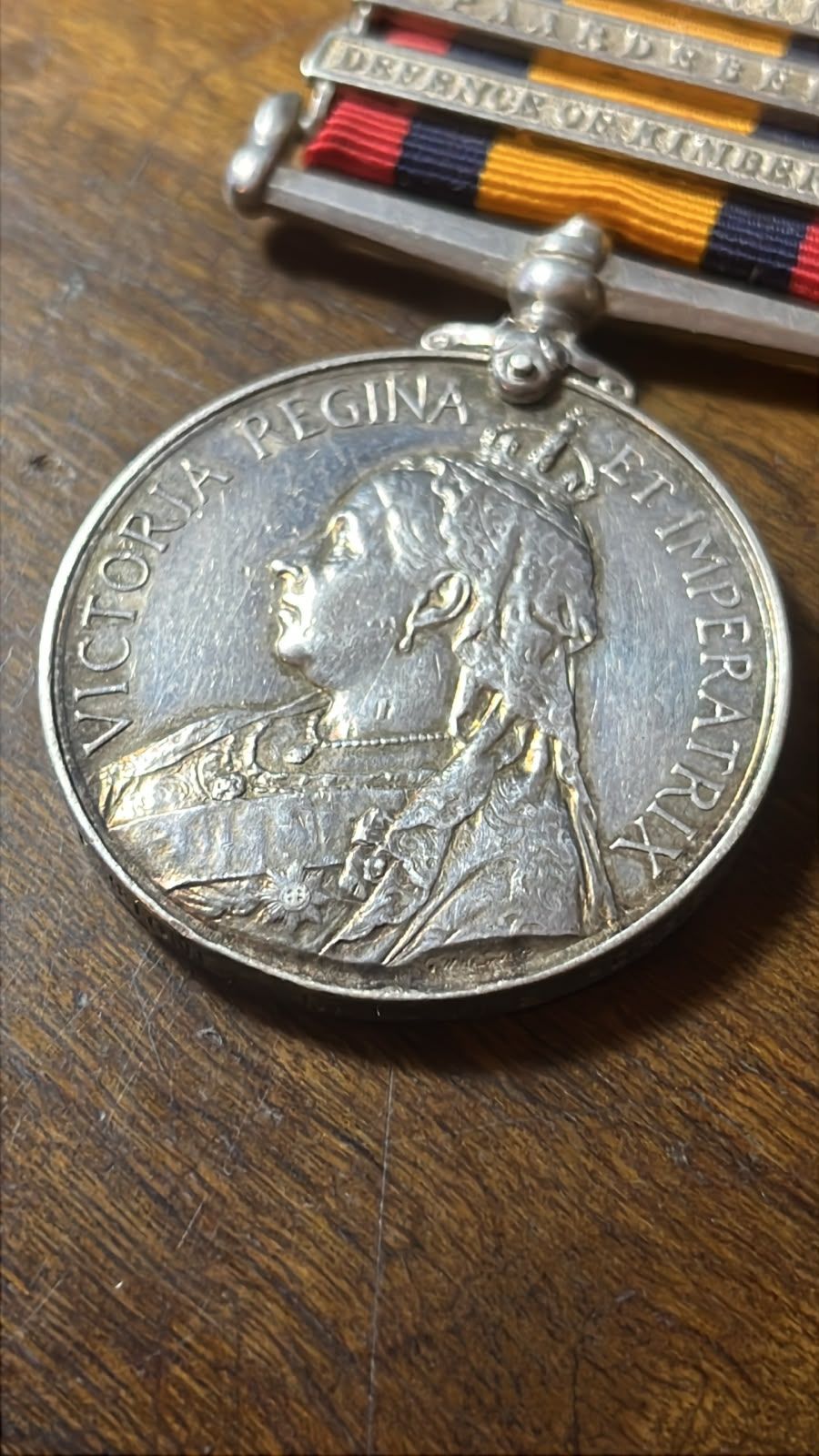
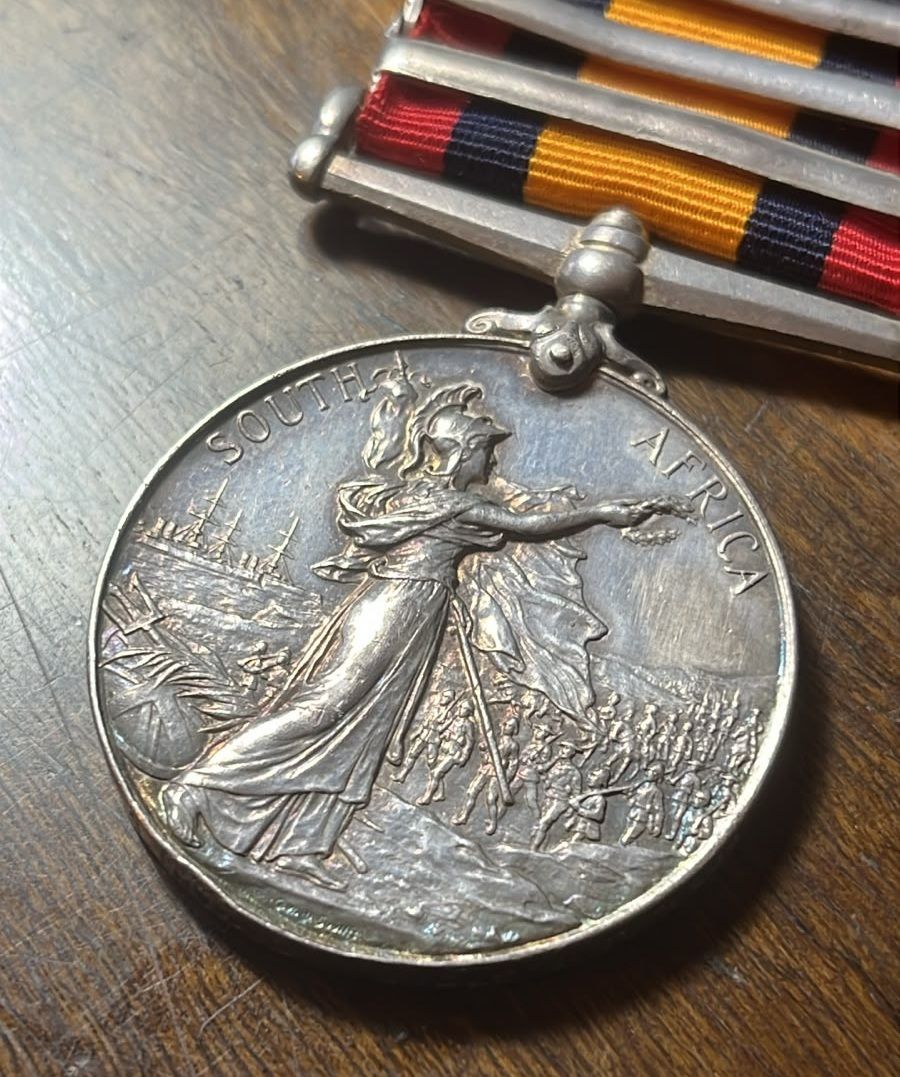
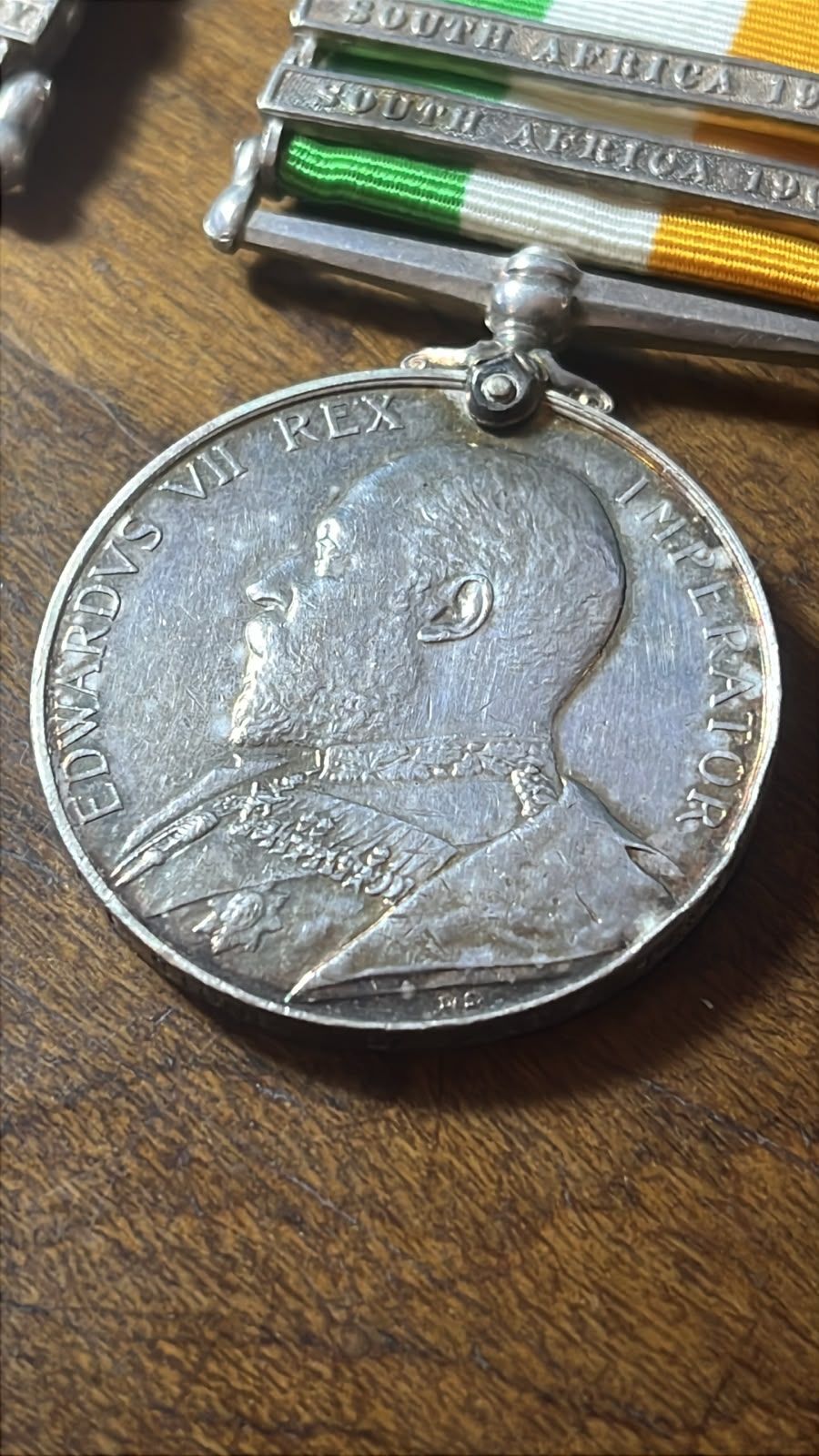
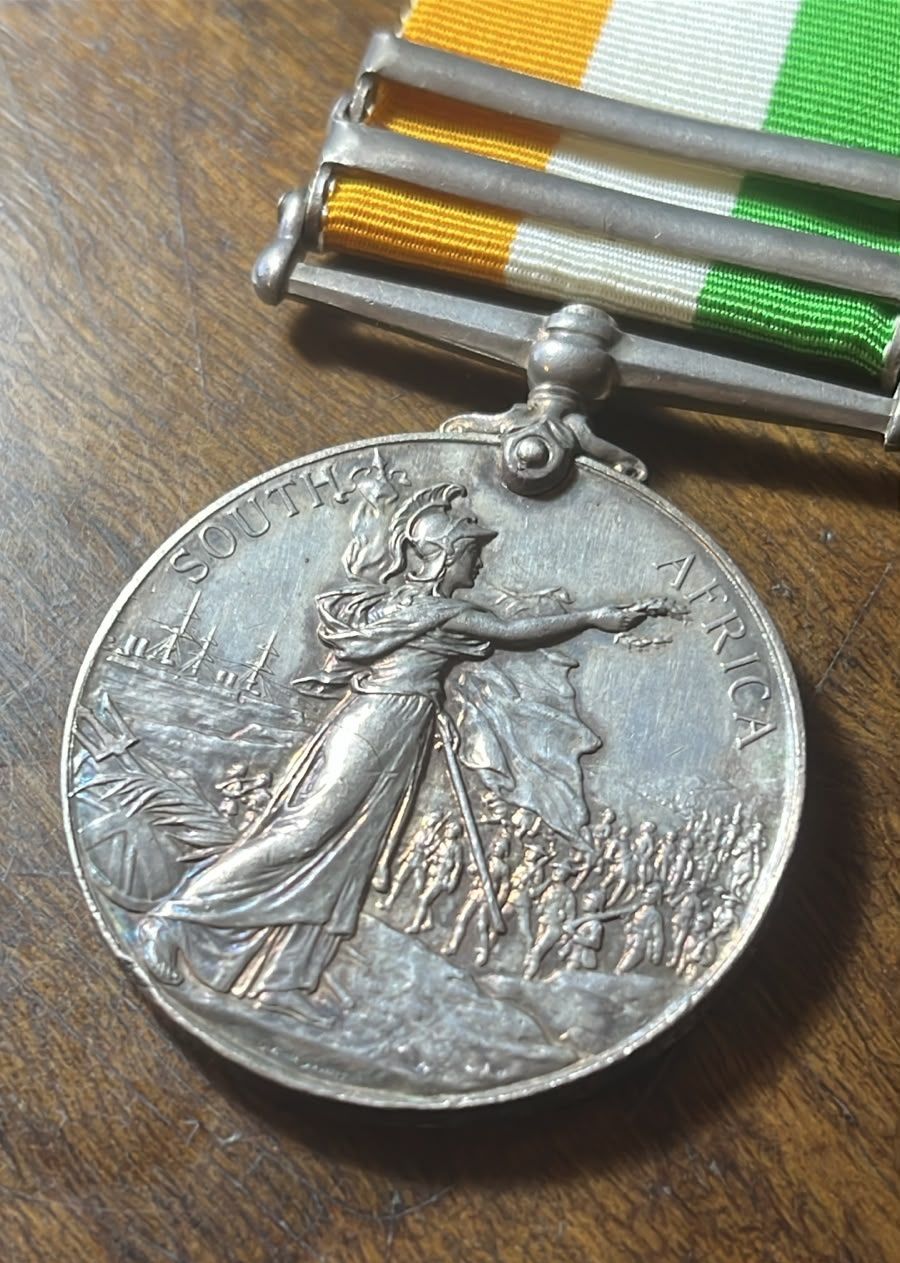
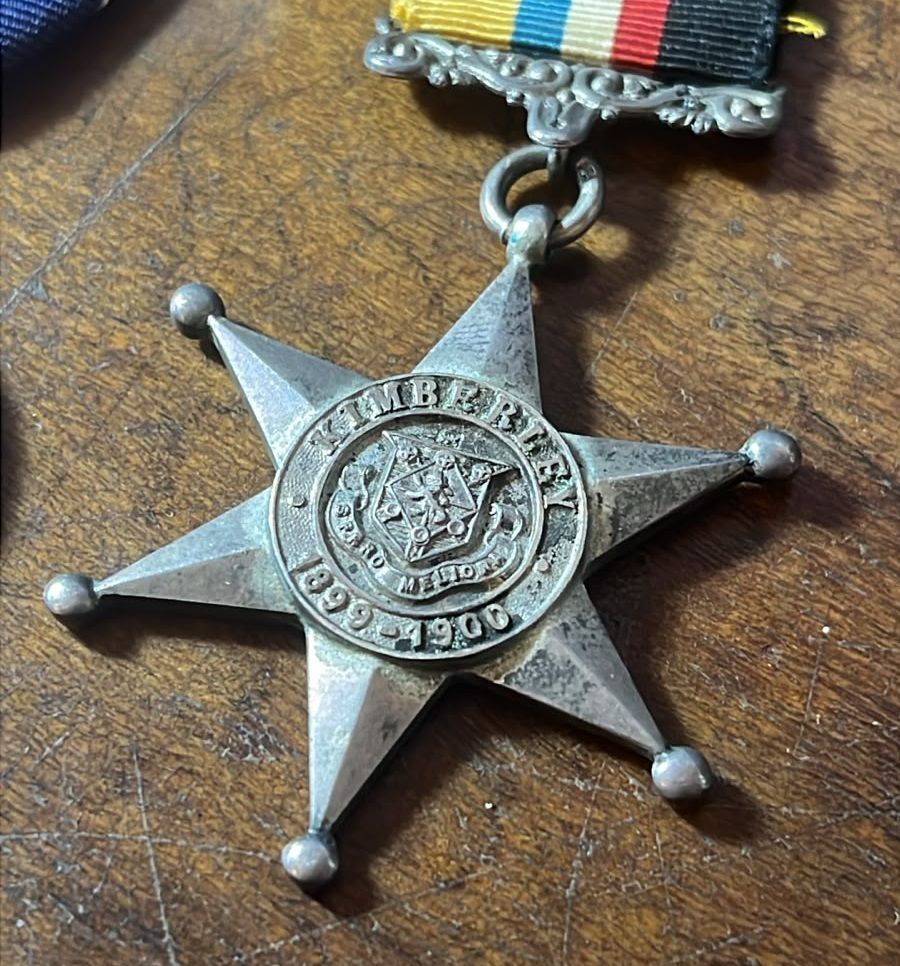
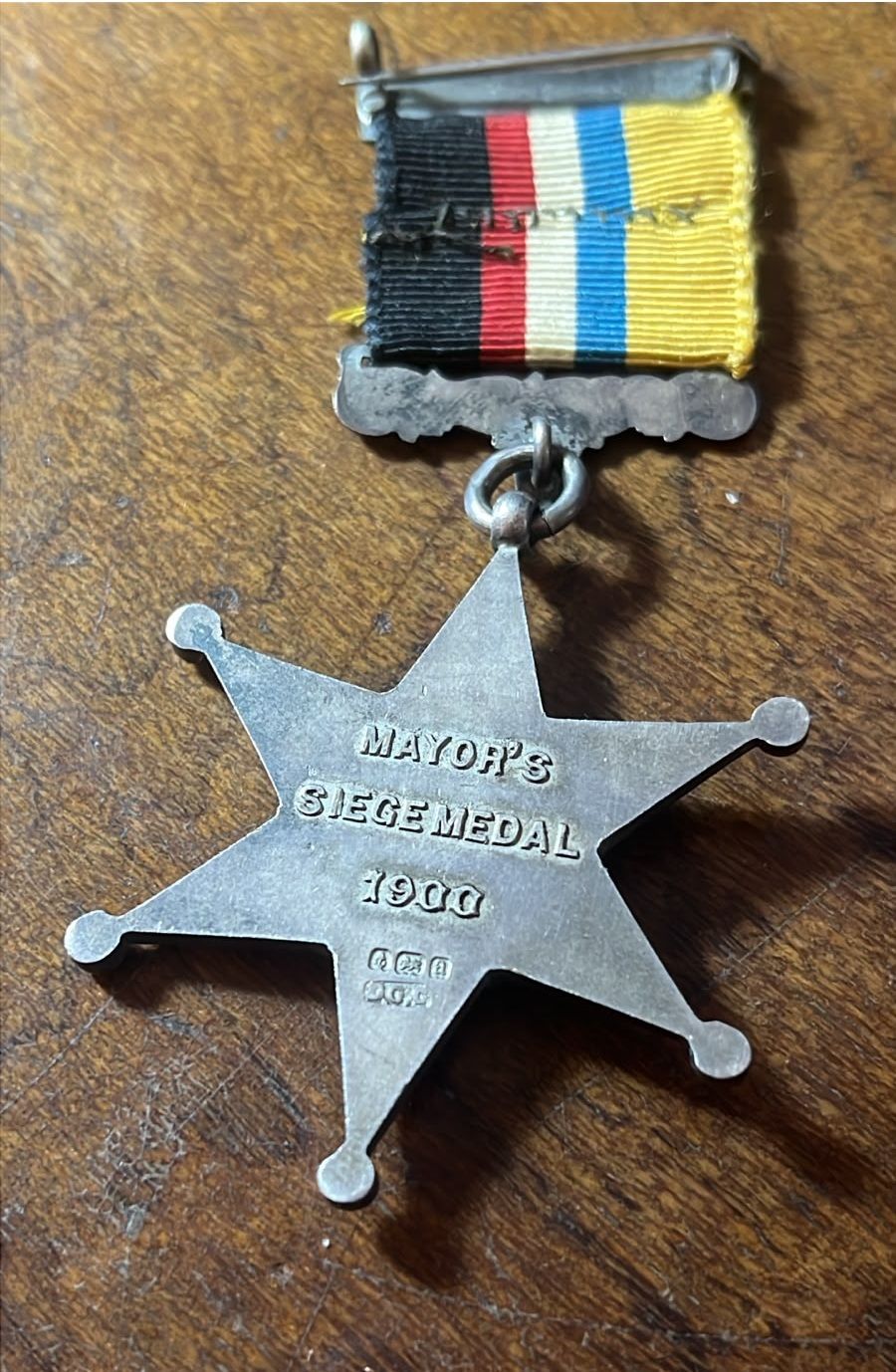
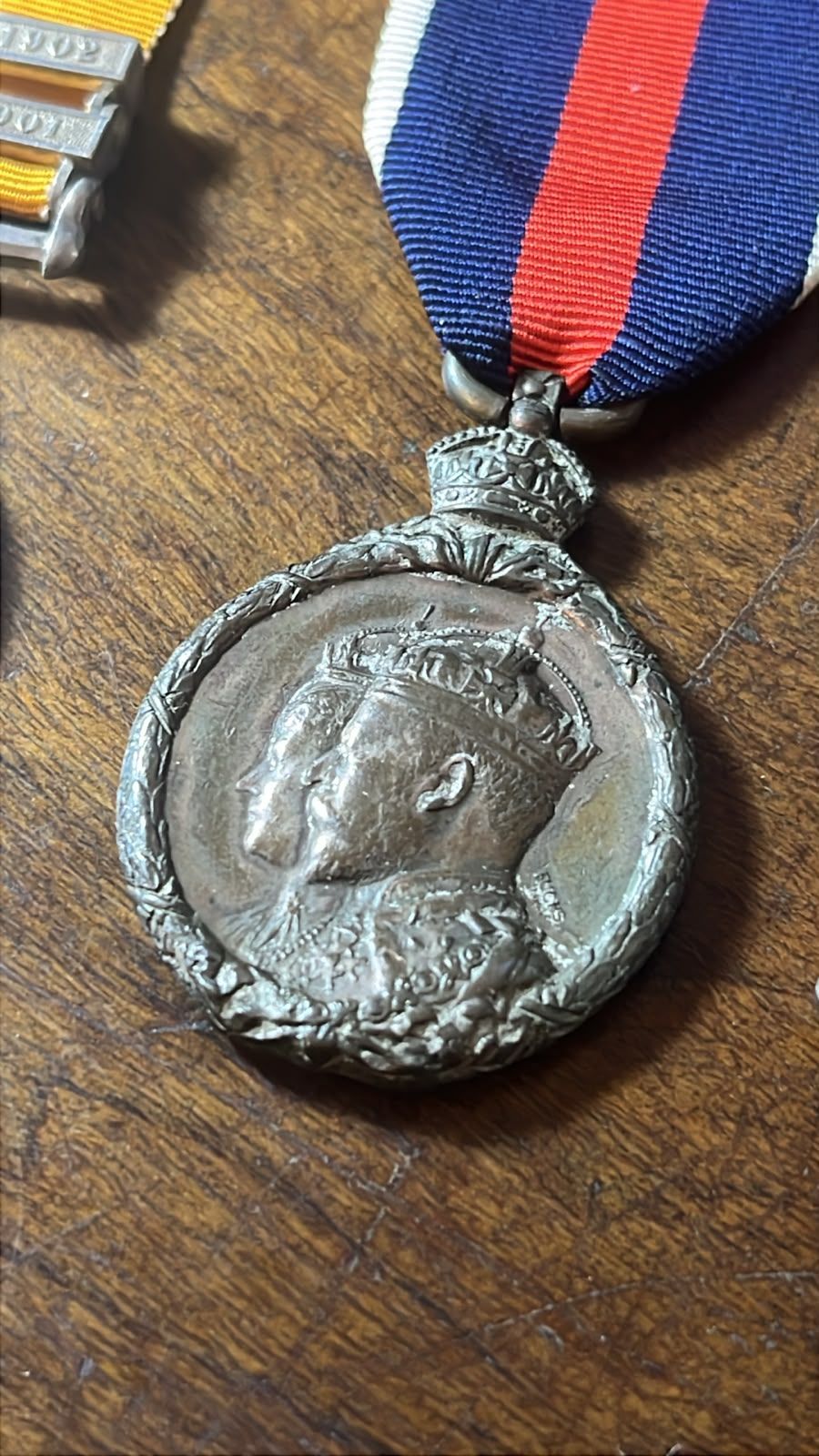
Queen’s South Africa Medal 1899–1902, 6 clasps: Defence of Kimberley, Paardeberg, Driefontein, Johannesburg, Diamond Hill, Wittebergen (CORPL: J. E. STONE. DAMANT’S HORSE); King’s South Africa Medal 1901–1902, 2 clasps: South Africa 1901, South Africa 1902; Mayor of Kimberley’s Siege Star 1899–1900 (silver); King Edward VII Coronation Medal 1902 (bronze). One of only a tiny handful of verified Defence of Kimberley & Paardeberg clasp combinations known.
Medal Group:Queen’s South Africa Medal 1899–1902, silver, 6 clasps (Defence of Kimberley, Paardeberg, Driefontein, Johannesburg, Diamond Hill, Wittebergen), officially impressed in crisp capitals CORPL: J. E. STONE. DAMANT’S HORSE
King’s South Africa Medal 1901–1902, silver, 2 clasps (South Africa 1901, South Africa 1902)
Mayor of Kimberley’s Siege Star 1899–1900, silver, complete with top suspension brooch bar (unnamed as issued)
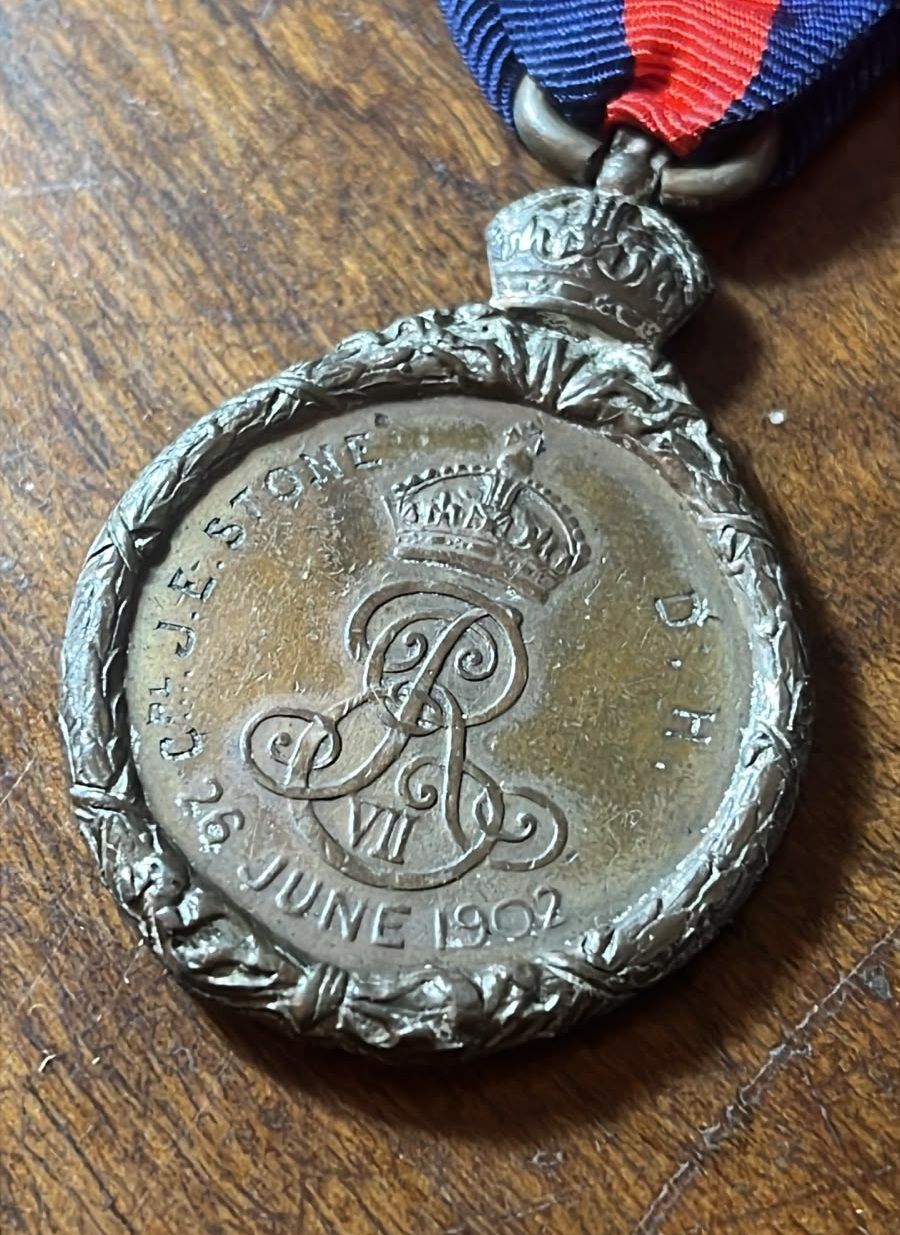
King Edward VII Coronation Medal 1902, bronze, Coronation Contingent issue (unnamed as issued)
Condition: Loose with ribbons; deep, undisturbed dark cabinet patina across the three silver awards and rich original chocolate toning on the bronze Coronation Medal. The QSA rim naming is sharp and clean with minimal contact marks, and the six-clasp carriage sits straight and tight. Overall Good Very Fine to Extremely Fine (GVF–EF)
CORPL: J. E. STONE. DAMANT’S HORSEMayor of Kimberley’s Siege Star 1899–1900, silver, complete with top suspension brooch bar (unnamed as issued)
Historical & Clasp Rarity Provenance
Among all Anglo-Boer War clasp combinations, Defence of Kimberley paired with Paardeberg ranks among the scarcest operational pairings on the Queen’s South Africa Medal
Only a select handful of mounted scouts and colonial volunteers who rode out immediately upon the relief qualified for both clasps
In recognition of his distinguished colonial field service, Corporal Stone was selected for the South African Coronation Contingent to London in 1902, receiving the bronze King Edward VII Coronation Medal 1902 to complete an exceptional four-medal ensemble
Archival Verification & Cataloguing Notes
Special Clasp Combination Roll: Listed on Page 5 of the Entitlement Roll (Queen’s South Africa Medal with clasp combination ‘Defence of Kimberley’ & ‘Paardeberg’) with all six clasps confirmed (Witt, D. Hill, Jhb, Drie, Paard, DoK) and annotated: "Paardeberg clasp earned with Rimington’s Guides as No. 244 Cpl J. Ernest Stone"
Kimberley Town Guard QSA Roll (WO 100/282, p. 132, dated Kimberley, September 1901): Recorded as Private J. E. Stone, annotated "No. 244 Damant’s Horse. D. of K. clasp issued off Damant’s Horse roll" (the adjacent entry for No. 139 W. A. Stone accounts for the minor clerical note regarding an alternate number in the published clasp roll)
Damant’s Horse (Late Rimington’s Guides) QSA & Supplementary Rolls (WO 100, p. 63, dated Cape Town, February 1903, & Supplementary Roll p. 113, dated 19 August 1902): Confirmed as No. 244 Corporal J. Ernest Stone for all six clasps, with remarks noting "Kimberley Town Guard", "Re-enlisted", and "Coronation Contingent"
Damant’s Horse Nominal Roll (WO 127/23, p. 310): Listed under Rank & File as Trooper J. E. Stone
Damant’s Horse KSA Roll (WO 100/360, dated Cape Town, 30 April 1903): Confirmed as No. 244 Corporal Jos. Ernest Stone for both the South Africa 1901 and South Africa 1902 clasps
Shipping & Invoicing:
South Africa: Shipped via Courier or PostNet-to-PostNet (standard local charges apply).
International: International shipping will be quoted based on your specific area and clearly detailed on your final invoice.
Seller Notes: Please review all high-resolution images provided as they form part of the condition description
WO 100/282, p. 132, dated Kimberley, September 1901): Recorded as Private J. E. Stone, annotated "No. 244 Damant’s Horse. D. of K. clasp issued off Damant’s Horse roll" (the adjacent entry for No. 139 W. A. Stone accounts for the minor clerical note regarding an alternate number in the published clasp roll)Damant’s Horse (Late Rimington’s Guides) QSA & Supplementary Rolls (
WO 100, p. 63, dated Cape Town, February 1903, & Supplementary Roll p. 113, dated 19 August 1902): Confirmed as No. 244 Corporal J. Ernest Stone for all six clasps, with remarks noting "Kimberley Town Guard", "Re-enlisted", and "Coronation Contingent"WO 127/23, p. 310): Listed under Rank & File as Trooper J. E. StoneWO 100/360, dated Cape Town, 30 April 1903): Confirmed as No. 244 Corporal Jos. Ernest Stone for both the South Africa 1901 and South Africa 1902 claspsShipping & Invoicing:
South Africa: Shipped via Courier or PostNet-to-PostNet (standard local charges apply).
International: International shipping will be quoted based on your specific area and clearly detailed on your final invoice.
Seller Notes: Please review all high-resolution images provided as they form part of the condition description